
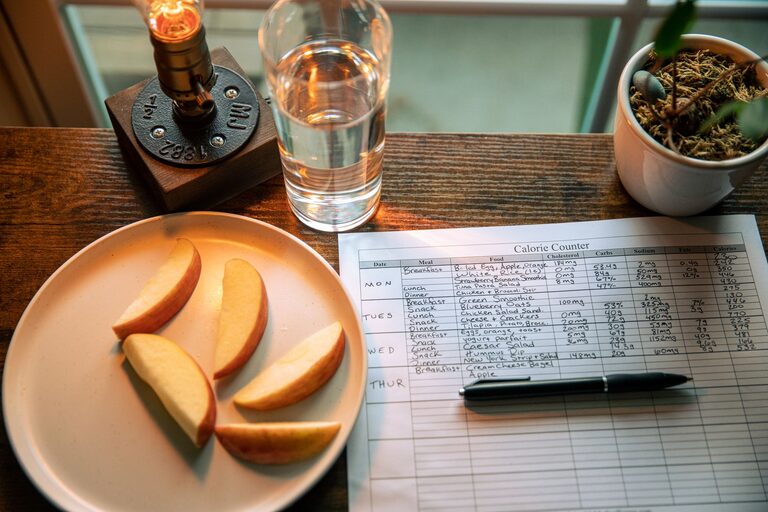
Eating balanced meals is essential for maintaining good health, but sometimes the idea of planning nutritious dishes every day can feel overwhelming. The good news is that with a few straightforward strategies, you can create well-rounded meals without stress. This guide will help you simplify meal planning so you can enjoy tasty, nourishing food without the hassle.
Why Balanced Meals Matter
Balanced meals provide your body with the nutrients it needs to function optimally. They typically include a combination of:
– Proteins (such as lean meats, beans, tofu)
– Carbohydrates (whole grains, fruits, vegetables)
– Healthy fats (avocados, nuts, olive oil)
– Vitamins and minerals (from a variety of fruits and veggies)
Eating meals with these components supports energy levels, brain function, and overall wellbeing.
Step 1: Start with a Simple Framework
Instead of getting caught up in complex recipes, think of your meals in terms of portions:
– Half your plate filled with colorful vegetables or salad
– A quarter of your plate with lean protein
– A quarter with whole grains or starchy vegetables
This visual method helps ensure you’re covering all nutrient groups without measuring or counting calories.
Step 2: Plan Ahead with a Weekly Meal Template
To avoid last-minute stress, set aside time each week to sketch out a meal plan. You don’t need to create a detailed schedule—just a rough outline will do. For example:
– Monday: Grilled chicken, quinoa, steamed broccoli
– Tuesday: Chickpea curry with brown rice and spinach
– Wednesday: Baked salmon, sweet potato, mixed greens
Planning ahead helps you organize grocery shopping and reduces the temptation of unhealthy takeout.
Step 3: Keep Ingredients Versatile
Choose ingredients that can be used in multiple dishes. For example:
– Cook a large batch of brown rice or quinoa to use throughout the week
– Roast a tray of mixed vegetables that can be added to salads, bowls, or wraps
– Prepare proteins in bulk and store in the fridge or freezer
This approach saves time and reduces food waste.
Step 4: Use Simple Cooking Methods
Balanced meals don’t require complicated cooking skills. Stick to techniques like:
– Grilling or baking proteins
– Steaming or roasting vegetables
– One-pot meals like stir-fries or soups
These techniques are quick and help preserve food’s natural flavor and nutrients.
Step 5: Incorporate Healthy Snacks
Healthy snacks can keep your energy steady and prevent overeating at main meals. Ideas include:
– Fresh fruit with nut butter
– Greek yogurt with berries
– Carrot sticks with hummus
– Handful of nuts or seeds
Having these snacks ready makes it easier to maintain balanced eating throughout the day.
Step 6: Listen to Your Body
Meal planning should support your lifestyle and preferences. Pay attention to hunger cues and adjust portions accordingly. If you’re less hungry on a particular day, it’s okay to eat a lighter meal or snack.
Tools That Can Help
– Meal planning apps: There are many free apps that help organize shopping lists and recipes.
– Reusable containers: Invest in good-quality containers to store prepped meals.
– Slow cooker or Instant Pot: These devices simplify cooking and save time.
Tips for Staying Consistent
– Start small: Plan just a few meals per week and build from there.
– Involve family or housemates: Sharing meal prep duties makes it more enjoyable.
– Keep a list of favorite quick recipes handy.
– Don’t be too rigid—allow for flexibility and treats.
Final Thoughts
Planning balanced meals doesn’t have to be a source of stress. By establishing a simple structure, preparing versatile ingredients, and adopting easy cooking methods, you can nourish your body and enjoy mealtime more. Remember, consistency—not perfection—is the key to lasting healthy habits. Start with small changes today, and you’ll soon see how stress-free balanced eating can be.