
Reducing food waste at home is a practical way to save money, reduce environmental impact, and make your kitchen more efficient. Many of us unintentionally throw away food due to poor planning or lack of storage knowledge. However, by adopting a few simple habits, you can significantly cut down on wasted food. This post will guide you through straightforward and effective ways to reduce food waste in your household.
Why Reducing Food Waste Matters
Food waste is a global issue with far-reaching consequences. When food is thrown away, all the resources used to produce, transport, and store it—such as water, energy, and labor—are also wasted. Besides the environmental impact, reducing food waste can lower your grocery bills and help you maintain a more organized kitchen.
Plan Your Meals Ahead
Create a Weekly Meal Plan
Planning your meals for the week helps you buy only what you need and avoid impulse purchases. Consider what you already have in your pantry and refrigerator while making your list. Apps and printable templates can simplify meal planning and help you stay on track.
Make a Precise Shopping List
Once you have your meals planned, list the exact ingredients and quantities needed. Sticking to your shopping list reduces the risk of buying excess food that ends up wasted.
Smart Grocery Shopping Tips
Shop With a Full Stomach
Grocery shopping when you’re hungry can lead to buying more food than necessary, increasing the chances of waste. Try to shop after eating to help make better choices.
Buy Loose Produce
Instead of pre-packaged fruits and vegetables, choose loose items. This gives you more control over how much you buy, avoiding excess that might spoil before use.
Choose Versatile Ingredients
Opt for foods that can be used in multiple dishes or eaten raw and cooked. This flexibility makes it easier to use leftovers and vary your meals.
Proper Food Storage Practices
Understand Storage Needs
Different foods require different storage conditions. For example, some fruits ripen better at room temperature, while others last longer in the fridge. Knowing this can prolong freshness.
Store Food in Clear Containers
Using transparent containers helps you see what you have, making it less likely for food to get forgotten and go bad.
Keep Your Fridge Organized
Arrange items so that those nearing their expiration date are in front and easy to access for prompt use.
Smart Cooking and Leftovers Management
Cook Only What You Need
While it may seem convenient to cook large batches, making only what’s necessary helps reduce leftovers that might be wasted.
Repurpose Leftovers Creatively
Transform leftovers into new meals by incorporating them into soups, salads, stir-fries, or sandwiches. This adds variety and keeps food exciting.
Freeze Extra Portions
If you do have extra food, freezing portions extends shelf life and allows you to enjoy meals later without waste.
Mindful Portioning
Serving appropriate portion sizes can prevent uneaten food on plates. Encourage family members to take smaller portions with the option to get seconds if still hungry.
Use All Edible Parts of Food
Many vegetable peels, stems, and leaves are nutritious and flavorful. For example, beet greens can be sautéed, and potato peels can be baked into chips. Exploring ways to use the entire food item reduces waste significantly.
Regularly Check and Clean Your Pantry and Fridge
Take a few minutes weekly to assess what you have. Use or donate items approaching expiration and adjust your future shopping accordingly.
Compost Food Scraps
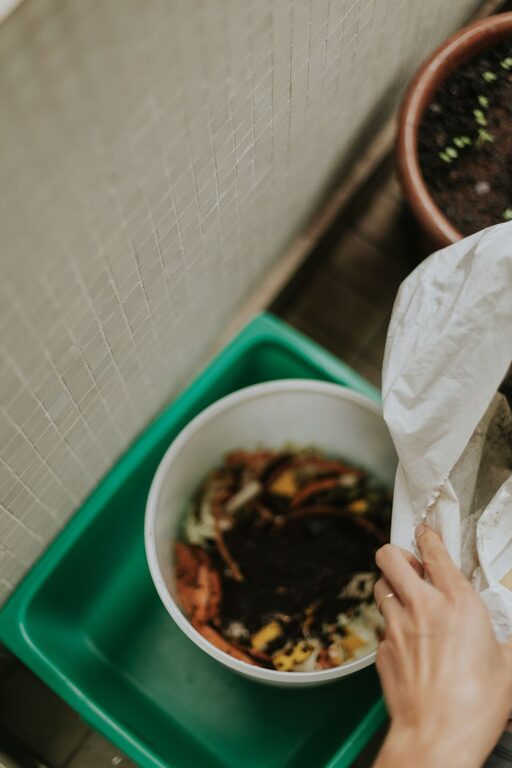
Food scraps like vegetable peelings, coffee grounds, and eggshells can be composted instead of thrown away. Compost enriches soil and reduces landfill waste, making it an eco-friendly practice.
Educate and Involve Everyone at Home
Encourage family members to be mindful of food waste. Share tips and involve kids in meal planning and cooking to build good habits early.
Final Thoughts
Reducing food waste at home is achievable with a little effort and awareness. By planning meals, shopping smartly, storing food properly, managing portions, and using leftovers creatively, you can make a positive impact on your wallet and the environment. Start with small changes today and enjoy the benefits of a more sustainable kitchen.